To evaluate material yield on a light gauge steel framing machine, record how much steel a job consumes and how much becomes accepted finished members. A useful record also explains the remaining material: setup samples, punching scrap, rejected members and reusable coil stock should not be combined into one unexplained loss figure.
Define the start and end of the production job before calculating a yield percentage. For a mass-based record, a practical definition is accepted finished-member mass divided by steel mass consumed, multiplied by 100. State how each quantity was measured. Do not compare a weighed input with an estimated output without identifying that difference.
Returned coil stock is still inventory, not automatically scrap. Account for material left on the line and shared between jobs so that it is not counted twice or assigned to the wrong order.
Use a short list of categories that operators can apply consistently. Separate planned trial pieces and punched-out material from rejected profiles, handling damage and members made to an obsolete drawing. Keep reusable offcuts separate until their suitability for an approved use has been established.
For rejected members, record the member identification, quantity and observed defect. Avoid assigning a cause before the responsible person has checked it. A wrong length, for example, should trigger a review of the relevant job information and production records rather than an undocumented machine adjustment.
Review the record after each representative batch. Compare jobs with similar material and profile requirements, and explain differences in setup activity before interpreting a change in yield.
Use repeated loss patterns to choose an improvement task. Better revision control may address obsolete members, while clearer handling instructions may address damage. Keep necessary sample checks in place; a lower recorded scrap figure is not useful if nonconforming members are accepted.
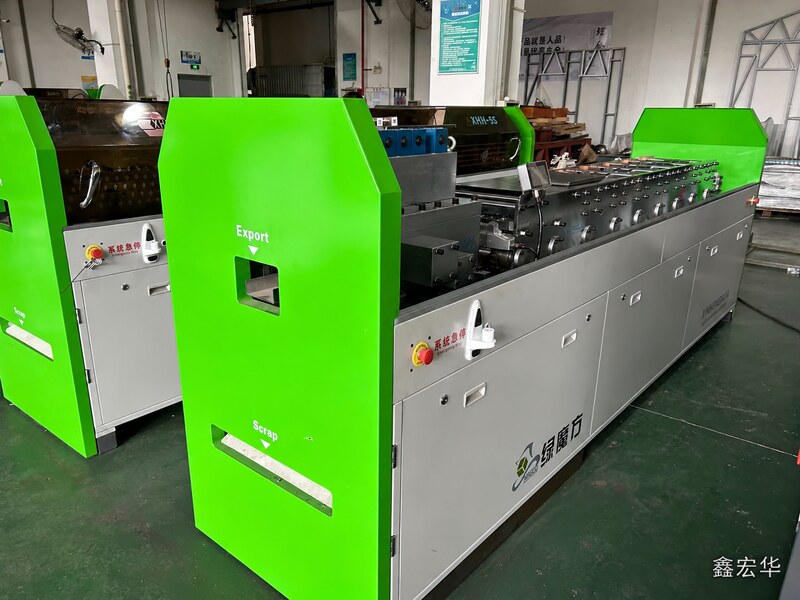
Read the related guides to production file revisions and first-piece inspection. When discussing an LGS production line with Xinhonghua, share representative jobs and ask how material consumption and production records can be captured with the proposed configuration.
On a mass basis, divide accepted finished-member mass by steel mass consumed and multiply by 100. Define the job boundary and measurement method first.
No. Usable material returned to inventory should be recorded separately from scrap and excluded from the job's consumed material where appropriate.
No. Compare similar jobs and account for differences in profile features, trial pieces, batch size and the way quantities are measured.
 IPv6 network supported.
 +86 13605085003
 sunnie@xhhjx.com