News
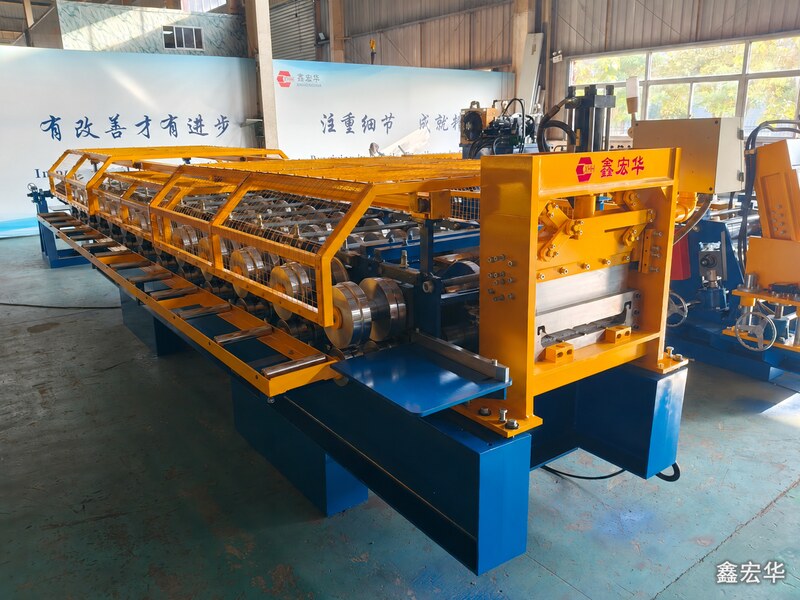
This roll forming equipment project brief outlines a practical receiving plan for buyers preparing for machine arrival. Before delivery, bring the packing information, site arrangements and receiving responsibilities together in one checklist. The aim is to document what arrives and prepare an orderly transition to installation. Confirm the delivery information Request the applicable packing list, package identification and the supplier's handling instructions. Share confirmed package dimensions and weights with the people responsible for unloading. Do not estimate lifting requirements from product photographs or the dimensions of the finished machine alone. Agree on the delivery contact, access arrangements and intended temporary storage area. The responsible handling team should prepare unloading using suitable equipment and the supplied instructions. Record condition at receipt Identify each package against the packing list and record visible condition before and during the agreed unpacking process. Take clear photographs of package markings and any apparent damage without creating unsafe access. Note missing or unidentified items and retain the relevant packaging information. Follow the contract and carrier procedures for reporting discrepancies. Keep observations factual and contact the appropriate parties promptly rather than attempting an undocumented repair. Keep accessories and documents traceable Use the packing list to account for separately packed accessories, tooling and documents. Label their storage locations so the installation team can find them later. Protect stored equipment according to the manufacturer's instructions and the conditions at the receiving site. Keep the receiving record separate from the installation and acceptance records. Confirming that packages arrived does not establish that the machine has been commissioned or has passed its agreed production trial. Prepare the next project stage Review the installation plan with the supplier and the responsible site personnel. Confirm readiness against the machine-specific requirements and record any outstanding actions. For broader space planning, see factory layout and material flow. When discussing a project with Xinhonghua, confirm which packing documents, handling instructions and installation support are included in the agreement. A named receiving coordinator can keep the delivery record and outstanding questions together. Topics: Roll Forming Equipment, Machine Delivery, Receiving Inspection, Installation Preparation FAQ What should be ready before a roll forming machine arrives? Prepare the packing information, supplier handling instructions, receiving contact, access arrangements and an unloading plan made by responsible personnel. Does receiving the machine mean it has passed acceptance? No. Receipt, installation, commissioning and production acceptance are separate stages with their own agreed checks and records. What should a buyer do if a package appears damaged? Document its identification and visible condition, follow the agreed reporting procedure and seek instructions before taking further action.
Read More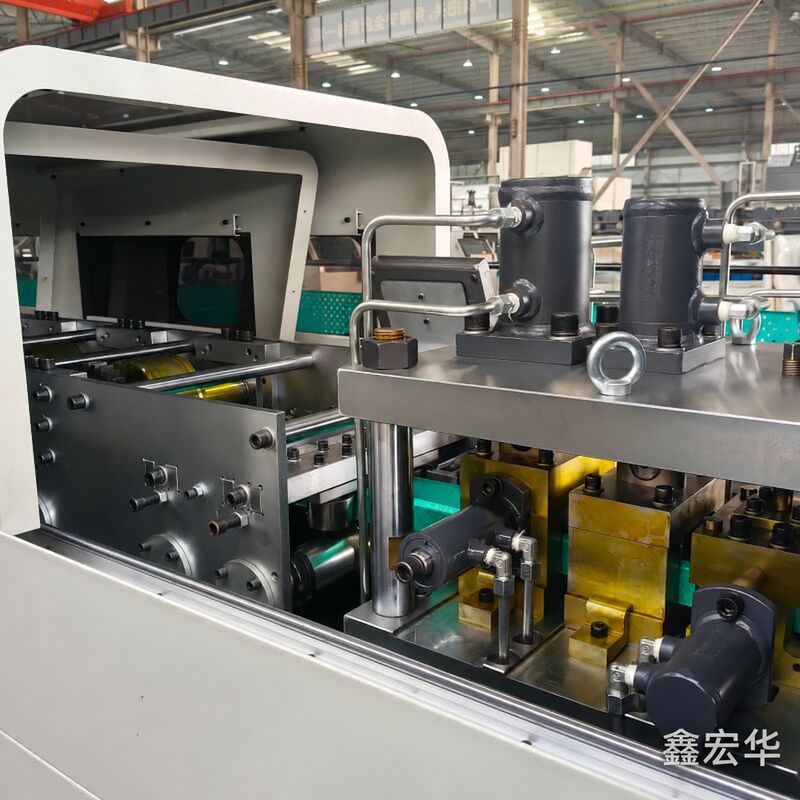
This light steel framing equipment brief focuses on spare parts planning before a production line enters routine service. A useful list starts with the exact machine configuration and the supplier's documentation, then identifies what the buyer should keep, how each item is specified and who is authorized to replace it. Identify parts by the machine supplied Record the machine model and identification number, then request the applicable parts list. For each proposed spare, retain the manufacturer's part number, description and any revision information. A photograph can support identification, but appearance alone should not be used to approve a replacement. Ask which items are supplied with the machine and which are optional. Keep this distinction visible in the order documents so a recommended spare is not mistaken for an included item. Prioritize according to the production plan Discuss likely replacement needs with the supplier using the intended materials, operating schedule and maintenance arrangements. Consider the effect of an unavailable part as well as its quoted lead time. Confirm current availability when ordering; do not treat an earlier delivery estimate as a permanent commitment. For application-specific tooling, link the spare to the approved profile or feature it supports. Verify compatibility before buying an alternative. Plan storage and replacement records Label storage locations and follow the supplier's preservation and storage instructions. Record quantities received, issued and remaining. Include inspection or shelf-life requirements where the manufacturer specifies them. Assign replacement work to appropriately trained and authorized personnel following the applicable manual and site procedures. A stocked component does not mean that an operator is authorized to install it. Include spares in the handover discussion Buyers consulting Xinhonghua about a light gauge steel framing machine should request a configuration-specific spare parts recommendation and confirm the scope in writing. Keep the approved list with the operator training and handover records. For support cases, use the related guide to preparing a useful service request. Topics: Light Gauge Steel Framing Machine, Spare Parts Planning, Equipment Handover FAQ How should a buyer identify the correct spare part? Use the machine identification and the supplier's part number, description and applicable revision. Ask the supplier to confirm compatibility. Are recommended spare parts always included with the machine? No. Check the agreed supply list and quotation to distinguish included parts from optional purchases. Should every spare part be stocked in the same quantity? No. Discuss quantities based on the production plan, supplier recommendations, replacement arrangements and current replenishment lead times.
Read More
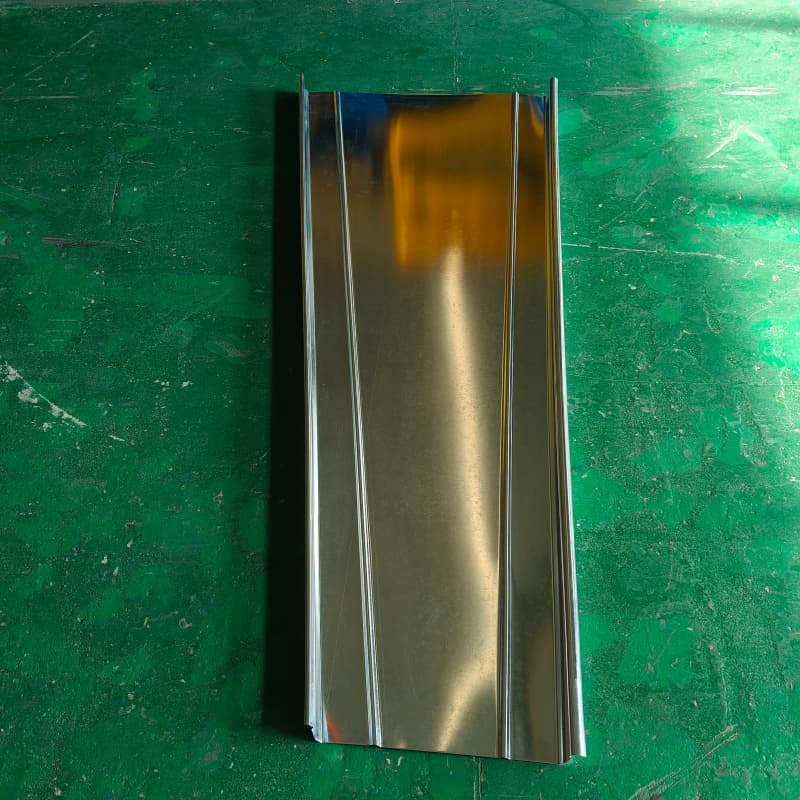
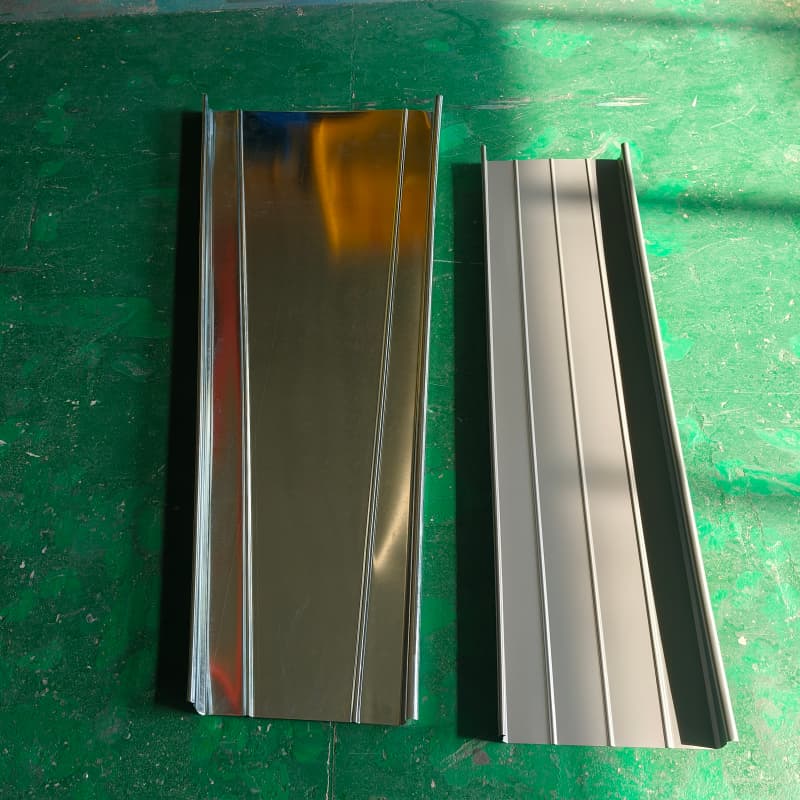
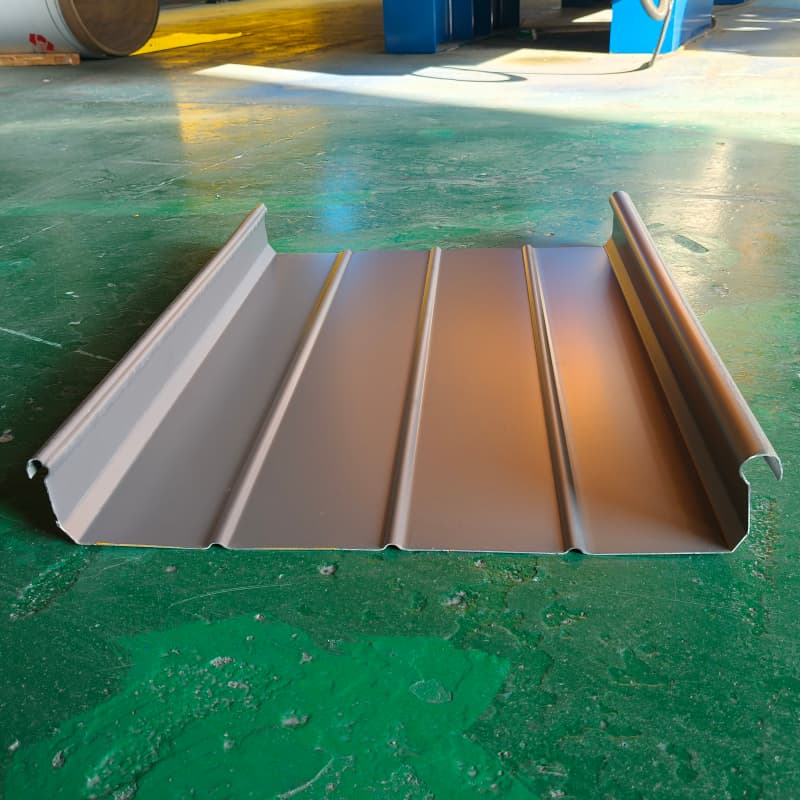
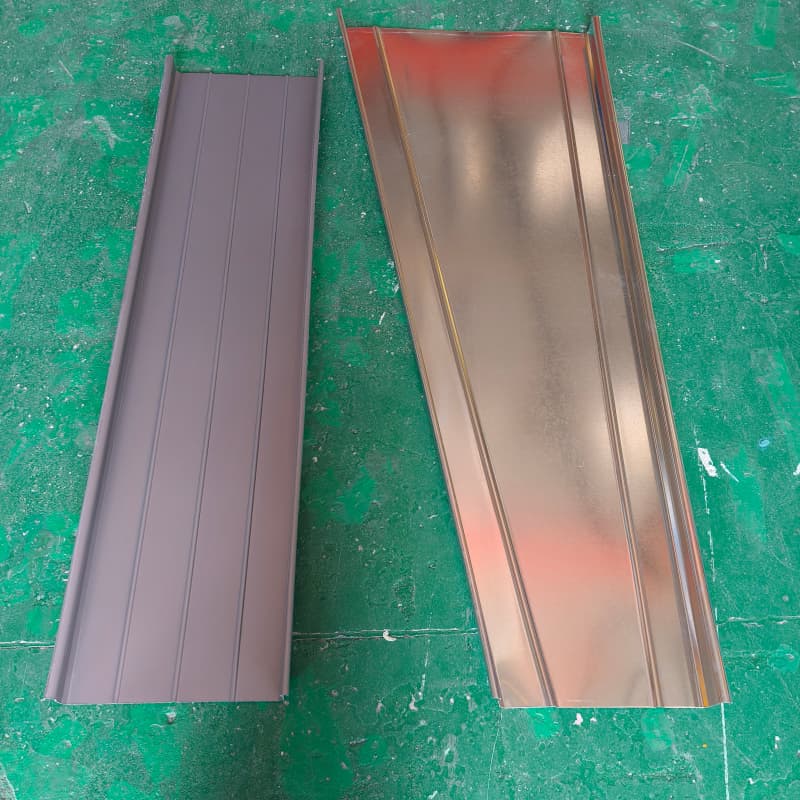
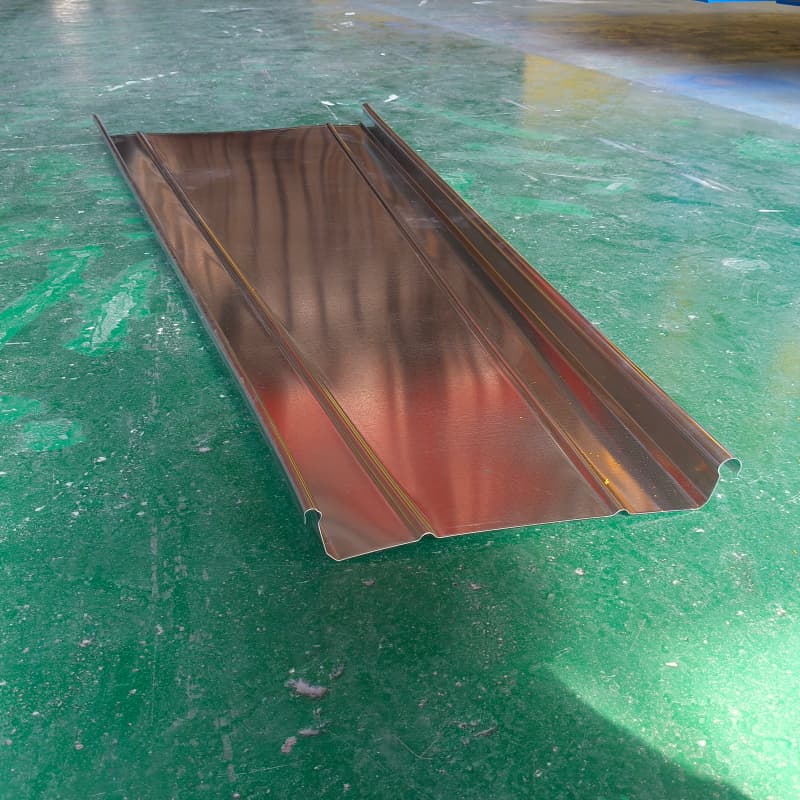
This metal roofing equipment spotlight looks at the role of profile samples in discussions between roll forming machine buyers and suppliers. Before placing an order, a clearly identified sample and an approved drawing can help both teams discuss the same roof panel geometry, appearance and intended connections. Give every sample a clear reference Label the sample with a profile name, drawing revision, material description and date. Identify whether it represents an existing installation, a proposed profile or a supplier demonstration. A sample from another project should not automatically become the acceptance reference for a new machine order. Ask the supplier to review the sample together with dimensioned drawings. Record any differences or missing information before approving the proposed configuration. Discuss the complete roofing system For standing seam roofing projects, include the intended seam arrangement and associated equipment in the technical discussion. Confirm responsibility for checking compatibility with clips, accessories and the specified installation method. A panel that resembles a reference photo is not, by itself, proof that the complete roof system is suitable. See the related standing seam and seaming equipment overview for questions to bring into the specification review. Turn observations into acceptance criteria Agree on which dimensions and surface features will be checked, how results will be recorded and which drawing governs acceptance. Identify the material to be used for the demonstration. Keep visual preferences separate from measurable requirements so that each can be reviewed consistently. Retain labeled sample photographs and the agreed records with the order documents. If the profile or material changes later, request a documented review rather than relying on the earlier sample. Bring sample review into the purchasing discussion When consulting Xinhonghua about a roof panel roll forming machine, provide your profile drawing, material requirements and intended application. Ask which sample or trial arrangements are available for the proposed configuration and confirm their scope in writing. Project-specific performance requirements should be assessed by the responsible qualified professionals. Topics: Roof Panel Roll Forming Machine, Standing Seam Profiles, Profile Samples, Equipment Specification FAQ Can a roof panel photograph replace a dimensioned drawing? No. A photograph helps communicate appearance, while a dimensioned drawing establishes the profile geometry and the features to be checked. What should be recorded with a profile sample? Record its profile reference, drawing revision, material description, date and intended role in the approval process. Does approving a sample establish roof system performance? No. Sample approval addresses the agreed sample criteria. System performance requires the applicable design review, evidence and project requirements.
Read More
This equipment support update focuses on a practical step for light steel framing manufacturers: organizing clear information before requesting technical assistance. A useful service request describes the observed problem, identifies the machine and preserves the job context without guessing at the cause. Start with the machine and the symptom Include the machine model and identification number, the affected operation and the exact alarm message if one appears. Describe when the issue started and whether it occurs consistently or only with a particular job. Distinguish observations from assumptions: an incorrect hole location is an observation; an unverified explanation for it is not. Keep the production context together Record the relevant drawing revision, production file name, material identification and the last accepted sample. Note any recent changes to the job or setup. When requesting assistance with dimensions, provide the agreed drawing reference and clearly labeled measurements rather than an unlabeled photograph. Share only the project information needed for the service case through an agreed support channel. Remove unrelated customer information and do not include passwords or remote access credentials in ordinary messages. Use photographs safely and purposefully A general view can establish the location of a problem, while a close view can show an accessible label, finished profile or visible alarm screen. Follow the manufacturer's procedures and site rules when gathering information. Do not open guards, approach moving equipment or make unauthorized adjustments to obtain a better picture. Maintain one case record Keep the request, supplier responses, authorized actions and resulting checks in one dated record. Identify who is responsible for the next step. Record whether the issue was resolved and how the result was verified before returning the affected work to normal production. For related preparation, read design file revision control. Buyers discussing a project with Xinhonghua should confirm support contacts, available service arrangements and the scope of assistance in their agreement. Topics: Light Steel Framing Equipment, Technical Support, Machine Service Records FAQ What information belongs in a machine service request? Include machine identification, the observed symptom, any alarm text, the affected job and a record of recent relevant changes. Should operators try adjustments before contacting support? Only perform tasks authorized by the applicable manual, site procedures and responsible technical personnel. Record any permitted actions already taken. Can a photograph replace an inspection record? No. Photographs provide context; labeled measurements and approved drawing references are still needed when assessing dimensional issues.
Read More
A metal roof panel needs to arrive at installation with its profile and surface condition intact. The handover from a roll forming line to packing and storage therefore deserves attention alongside the forming process. This Xinhonghua production update highlights practical coordination points for manufacturers preparing roofing orders. Agree the packing method for the actual panel Panel length, section, material and finish should guide the packing discussion. Confirm suitable supports, separators and restraints with the relevant suppliers and handling team. A method that works for one panel profile may not protect another. Include the intended transport and unloading arrangement when agreeing how bundles will be prepared. Inspect before surfaces become hidden Check the finished panels before bundling makes their surfaces difficult to inspect. Record visible marks or damage and keep questionable pieces identifiable until they have been assessed. Include the order reference, quantity and inspection status in the handover record so packing staff do not have to infer whether a stack has been released. Keep handling equipment and contact surfaces clean Review the points where panels contact tables, supports and packing materials. Debris or inappropriate contact materials can mark a finished surface during movement. Follow the material supplier's handling guidance and the site's approved lifting method; avoid improvised handling arrangements that have not been assessed for the panel length and weight. Plan storage and installation together Use the coating and panel supplier's instructions for storage, moisture management and any temporary protective film. Do not assume a wrapped bundle can remain outdoors indefinitely. Make bundle labels readable and align delivery groups with the installation sequence, reducing unnecessary unpacking and repeated movement. These checks complement the production planning described in our guide to panel length and handling. When discussing a roof panel roll forming machine with Xinhonghua, share the intended finish, panel sizes and packing workflow so discharge and handling requirements are considered early. Topics: Metal Roofing Production; Roof Panel Packing; Standing Seam Roll Forming Machine; Panel Surface Protection.
Read More
Service openings deserve attention before light steel framing members reach the assembly table. Electrical and plumbing routes can affect where openings are needed, while structural and building-system requirements determine what is permitted. This Xinhonghua application spotlight focuses on the information that should be coordinated before a production file is released. Coordinate the drawings first Review the framing layout alongside the relevant service drawings. Identify potential conflicts at panel junctions, openings and connection areas, then have the responsible designers resolve them. A general service route on a plan does not necessarily define an approved hole in every member. Keep the agreed details with the current drawing revision. Confirm the actual punching capability When specifying a light gauge steel framing machine, provide the required opening shapes, dimensions and positions. Ask the equipment supplier to confirm which operations the proposed tooling can perform and which need a different process. Do not assume that every opening shown in a digital model can be produced by the installed punch set. Verify orientation in a representative panel A hole can be dimensionally correct yet face the wrong direction during assembly. Check member identification and orientation together with the approved panel drawing. A representative assembly review helps the production and installation teams identify practical conflicts before a large batch is released. Control changes after production If a service route changes, identify the affected members and obtain the appropriate design review before modifying them. Unplanned cutting or enlargement of holes should not become a substitute for coordination. Requirements for edge protection, service separation and the completed wall system also need to be addressed by the responsible project team. For the production release process, read our guide to managing light steel framing design revisions. For a machine enquiry, send Xinhonghua a representative profile drawing and an opening schedule so tooling requirements can be discussed clearly. Topics: Light Gauge Steel Framing Machine; Service Opening Coordination; Steel Framing Punching; Panel Assembly Planning.
Read More
Panel length is an important planning decision for a standing seam roofing production project. It affects more than the cutting program: the workshop, transport route, unloading area and installation sequence must all accommodate the finished panel. This Xinhonghua application spotlight outlines the information worth preparing before production starts. Use the approved roof layout as the starting point Prepare a panel schedule showing the required lengths, quantities and roof zones. Resolve drawing revisions before releasing the cutting list. The roof-system designer should determine joint details, allowances and other design requirements; production staff should not change panel lengths simply to simplify packing or transport. Check the route from the machine to the roof Confirm how each panel will be supported at the discharge end, moved into storage, loaded and unloaded. Long panels need a handling plan suited to their material and section. Review vehicle access, available storage space and lifting arrangements with the responsible teams before committing to a delivery sequence. Compare factory and site production realistically Factory production offers a controlled working location, but the finished panel still has to reach the project. Where site production is being considered, first confirm that the proposed equipment is suitable for that arrangement. Site access, power supply, weather protection, working space and safe operation require assessment. Moving a machine to site is not automatically the best answer to a transport constraint. Keep bundles aligned with installation zones Identify panels by roof zone and length, and organize bundles so crews can locate the required pieces without unnecessary unpacking. Record the quantities dispatched and protect finished surfaces using the approved packing method. The production and installation teams should agree how damaged or mismatched pieces will be identified and resolved. For related equipment considerations, read our overview of matching standing seam panels with seaming equipment. When contacting Xinhonghua about a standing seam roll forming machine, include the profile drawing, material details, panel-length schedule and intended production location. Topics: Standing Seam Roll Forming Machine; Roof Panel Length Planning; Metal Roofing Production; Roof Panel Handling.
Read More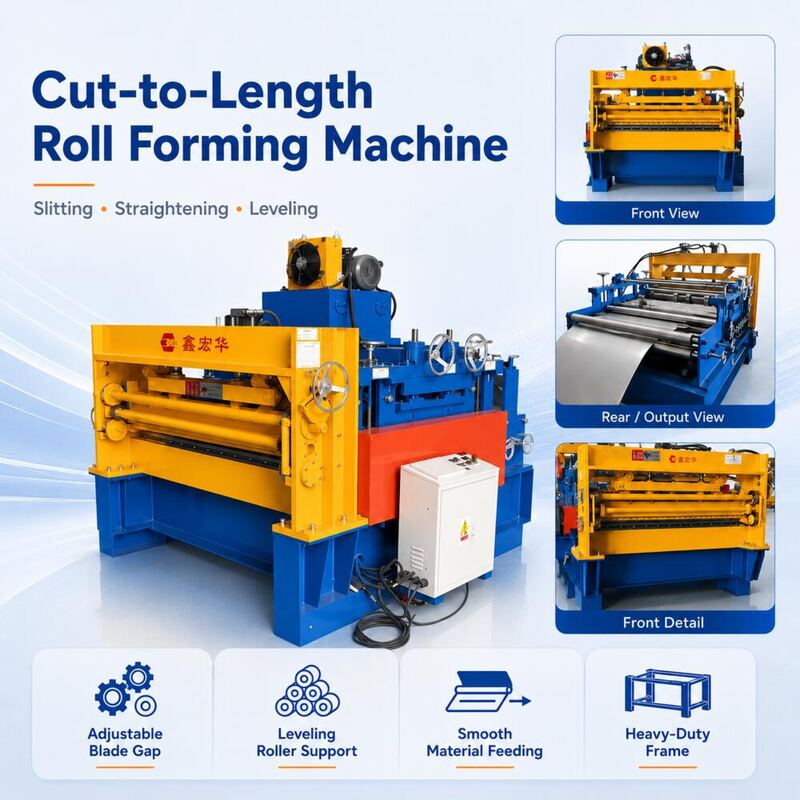
This Xinhonghua equipment spotlight looks at a practical question in steel processing: does the production job require flat sheets, narrow strips or formed profiles? These outputs call for different operations, even when all of them begin with metal coil. Cut-to-length prepares flat sheet blanks A cut-to-length arrangement feeds coil material, levels it within the equipment's capability and cuts it to the required sheet length. The key discussion concerns the incoming material and the flat blanks needed for the next operation. Buyers should specify material grade, thickness, width, required length range and the acceptance criteria for the finished sheets. Slitting changes the strip width Slitting divides wider material into narrower strips. It is a separate function from cutting across the strip to produce a set length. Whether these functions are combined in a particular machine depends on its configuration. Confirm the required strip arrangement, edge condition and downstream handling instead of relying on a general equipment name. Roll forming creates a profile A roll forming line progressively shapes strip through successive forming stations. Its output may be a roof panel, purlin or another section, depending on the tooling. Profile drawings, material properties, punching requirements and cutting arrangements therefore become central to the machine specification. A flat-sheet processing line does not automatically replace a profile forming line. Define the finished product before comparing machines For a useful technical enquiry, provide a drawing or sample of the required output and describe what happens to it next. Include the material specification and expected batch sizes. Ask which operations are included in the proposed equipment and which need separate machinery or handling arrangements. For an example of profile production, see our C/Z purlin dimension and punching guide. Clear output requirements help Xinhonghua and the buyer discuss the appropriate process without confusing flat-sheet preparation with profile manufacturing. Topics: Cut-to-Length Machine; Steel Coil Leveling; Slitting Equipment; Roll Forming Machine.
Read More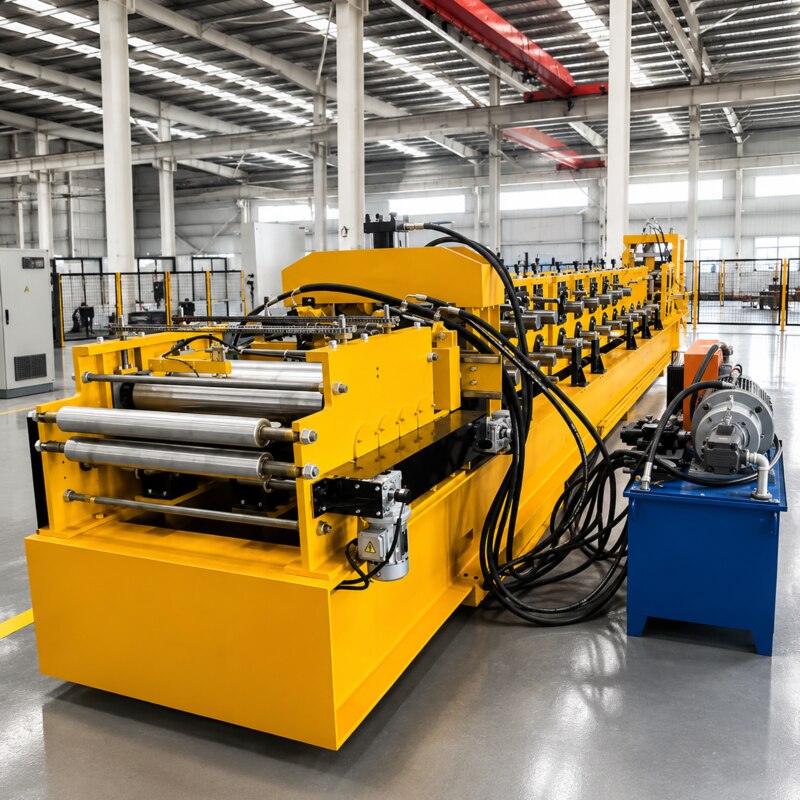
For steel building manufacturers evaluating C/Z purlin equipment, a clear technical brief makes supplier discussions more productive. This Xinhonghua application update focuses on the drawings, production mix and acceptance requirements that help turn an initial inquiry into a defined equipment proposal. Define sections beyond the model name Provide drawings of each required C or Z section, including web, flange, lip and punching dimensions. Specify the steel grade, base metal thickness and coating. A machine model name or nominal web range is only a starting point; the complete section and material combination must be reviewed for the selected configuration. Describe the production mix A factory producing long runs of one section has different planning needs from a workshop handling frequent size changes. List typical order quantities, member lengths and the expected C-to-Z mix. Discuss how size adjustment, profile changeover, tooling and job setup are handled, and agree which steps are automatic and which require operator intervention. Make punching information measurable Supply hole diameters or slot dimensions, center distances and the reference used to measure from the member end. Include representative drawings for different orders. Clarifying these details early helps identify tooling requirements and avoids relying on a general statement that a line includes punching. Agree how the machine will be demonstrated Define representative trial sections, material and inspection points before acceptance. Record which dimensions, cut lengths, hole locations and surface conditions will be checked. If production output is discussed, state whether the figure refers to forming speed or completed members under the agreed punching and cutting sequence. Send one complete inquiry package Dimensioned C and Z profile drawings Coil grade, thickness and coating requirements Punching patterns and member length range Typical batch quantities and changeover frequency Factory utilities, layout constraints and acceptance criteria Share this package with Xinhonghua to discuss the appropriate purlin roll forming machine configuration. Our pre-cut versus post-cut guide explains another useful comparison for production planning. Topics: C/Z Purlin Equipment Sourcing; Purlin Machine Technical Brief; Steel Building Manufacturing; Purlin Line Acceptance Planning.
Read More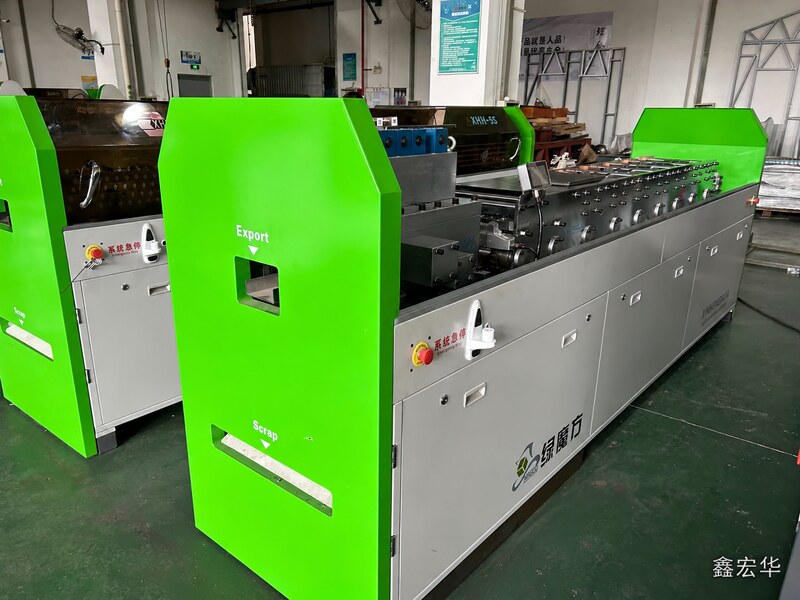
For manufacturers preparing a light steel framing project, equipment selection begins with the information that connects design, coil material and panel assembly. This Xinhonghua application update outlines a practical project briefing for buyers evaluating a light gauge steel framing machine. Bring the profile drawings into the first discussion A profile name alone does not define the complete production requirement. Share cross-section drawings showing web, flange and lip dimensions, together with the required lengths and punching details. Identify the drawing revision so that the quotation, sample production and later acceptance checks use the same reference. Specify the actual coil material Include base metal thickness, steel grade, coating and the intended coil dimensions. These inputs help define the forming and feeding requirements. Confirm the operating range for the selected machine configuration; one profile example should not be treated as approval for every material or section in a project. Use a representative trial panel A useful trial connects the production file with finished members and an assembly drawing. The team can check member identification, hole positions, orientation and part quantities before committing to a larger batch. Software interfaces, file formats and any integrated marking function should be agreed during technical discussions. Prepare the factory around the workflow Plan space for coil handling, the forming line, finished-member collection and panel assembly. Check the electrical supply and other utilities against the supplier's final installation requirements. A clear route for bundles and labeled parts helps the production team organize material flow. Prepare a focused project brief Approved profile and assembly drawings Material thickness, grade and coating Representative member lengths and punching patterns Expected product mix and batch quantities Software, identification and assembly requirements Send these details to Xinhonghua to discuss an equipment configuration suited to the intended production workflow. For related preparation, read our first-piece inspection guide. Topics: Light Steel Framing Project Preparation; LGS Machine Technical Brief; Trial Panel Assembly; Steel Framing Material Planning.
Read More
Equipment application update from Xinhonghua Machinery: planning a steel building component workshop starts with the parts the project requires. Purlin forming equipment, light steel framing lines and standing seam panel machines perform different jobs. Coordinating their production information and handling arrangements can help a workshop prepare compatible, identifiable components for the next stage of the project. Separate the component requirements C and Z purlins are commonly specified as secondary members supporting roof or wall systems. A light steel framing line produces the member sections and processing features required by its configured profile system. A standing seam panel line forms the roof covering section, while compatible seaming equipment closes the specified joint. These product groups should each be reviewed against their own drawings and material requirements. Buying one machine does not establish that every component in a building can be produced on it. Steel building production planning should identify the required profile families, material ranges, processing operations and quality checks before a workshop layout or equipment list is agreed. Use consistent project information For purlin and framing line coordination, the production team needs the current drawing revision, component quantities, lengths and identification method. Hole layouts and connection details must follow the approved project information. Roofing production adds its own panel section, cover width, seam arrangement and handling requirements. Separate production files should still reference the same project and revision where applicable. A clear release procedure helps prevent a revised purlin order or roof-panel schedule from being mixed with outdated component lists. Plan inspection and material movement Each line needs its own first-piece approval and the inspection methods relevant to its output. Purlin checks may include section dimensions, length and punching. Framing component checks also need to address identification and feature orientation. Roofing samples should be reviewed against the specified panel and seam arrangement. Allow space for coil loading, safe access, finished-part support and organized storage. The handling plan should reflect actual part length and the workshop's lifting equipment. Quoted line speed alone is not a complete capacity plan: order mix, punching, cutting, changeovers, inspection and material movement also affect practical output. Prepare a focused equipment enquiry Share representative drawings, material specifications, expected order quantities and the available workshop space with Xinhonghua. Review the adjustable C/Z purlin equipment, the light gauge steel machine range and the listed seam lock roofing line as separate configuration discussions. Confirm the proposed scope and interfaces for each line before combining them in a workshop plan. For a practical quality-control starting point, read the light steel first-piece inspection guide. A coordinated component workshop depends on approved project information, suitable equipment and a clear production process for each part family.
Read More
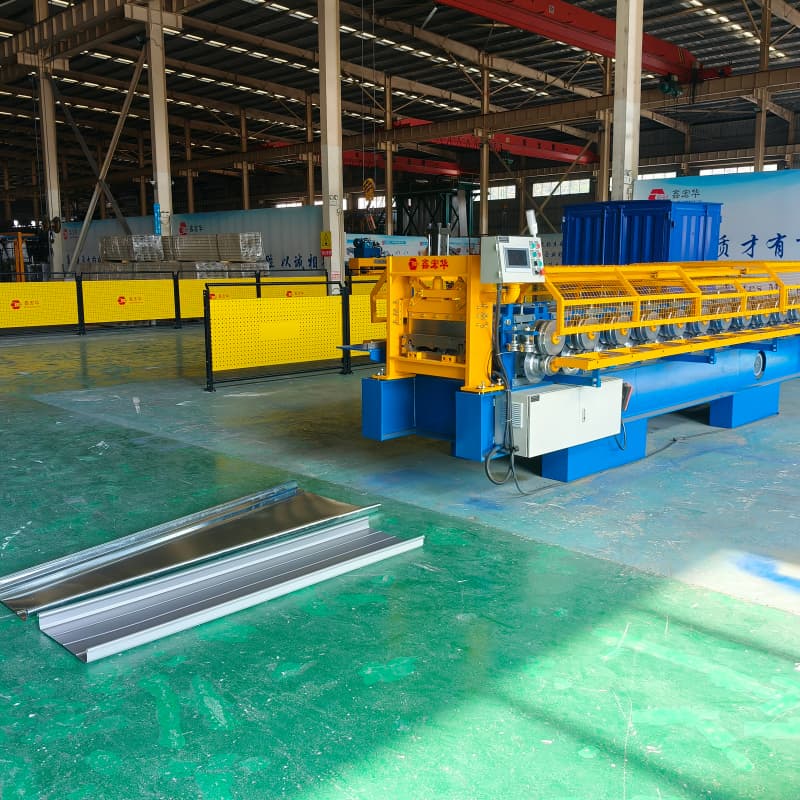
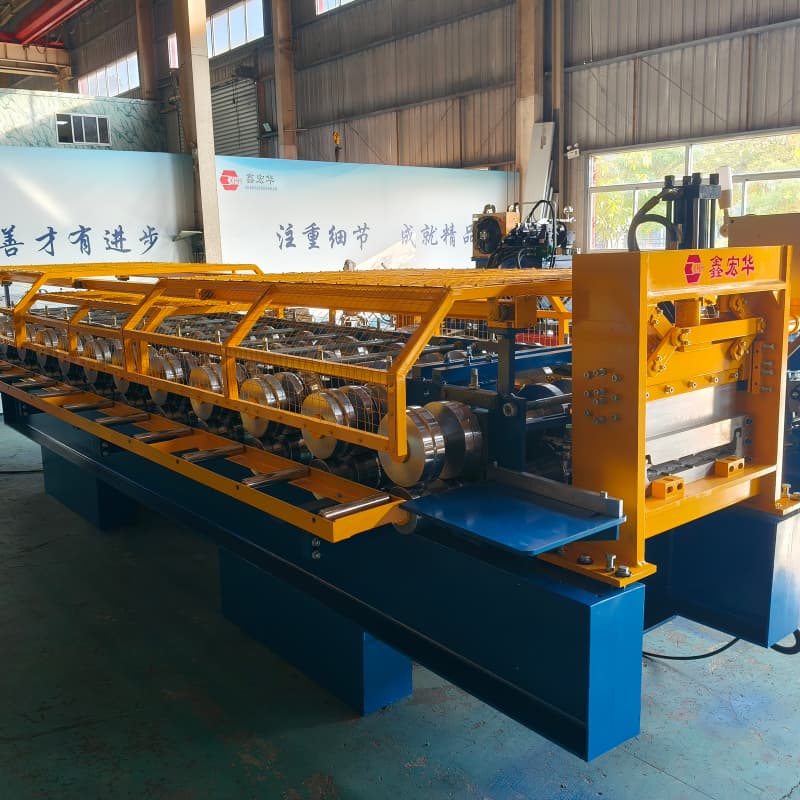
Technical application update from Xinhonghua Machinery: high-rib standing seam roofing is a system choice that connects panel production with the way the roof joint is closed. For buyers reviewing a standing seam roof panel machine, the panel drawing and the intended seam arrangement should be considered together before equipment is specified. One roof system, several connected requirements Standing seam panels may be considered for industrial buildings, warehouses and architectural roofing projects where the project design calls for this type of roof system. The required panel geometry, material and roof details vary by project. Equipment selection should therefore begin with the approved roof-system drawing and material specification rather than a general description such as “high rib.” A high-rib roofing roll former produces the panel section. Roof seaming equipment closes a compatible joint during the installation process. These functions are related, but the equipment must be matched to the actual seam design; a seamer should not be assumed to work with every panel produced by a roofing line. What to prepare before discussing a configuration The panel section drawing, including rib height, cover width and seam detail. The proposed metal type, thickness range and coating requirements. The intended panel lengths and the production and handling arrangement. The roof-system requirements for clips, joint closure and installation. For a mechanically seamed roof, review panel and seamer compatibility with the equipment supplier and roof-system provider. A representative panel sample and a trial seam can help confirm the intended fit. Final roof performance also depends on the complete roof design, approved installation procedures and project requirements; the panel machine alone does not establish a weather-resistance or structural rating. Connecting the factory line with installation Panel protection and handling should be planned alongside forming and cutting. Long panels need suitable support during production, movement and storage. Installation details, including roof penetrations, edges and terminations, remain part of the specified roof system and should be reviewed by the project team. Explore the listed seam lock roofing roll forming machine configuration when preparing an equipment enquiry. Share the panel drawing and intended seaming method with Xinhonghua so the discussion can focus on the required profile, material and production arrangement. Specific dimensions, output and compatible accessories should be confirmed for the proposed machine.
Read More IPv6 network supported.
 +86 13605085003
 sunnie@xhhjx.com